
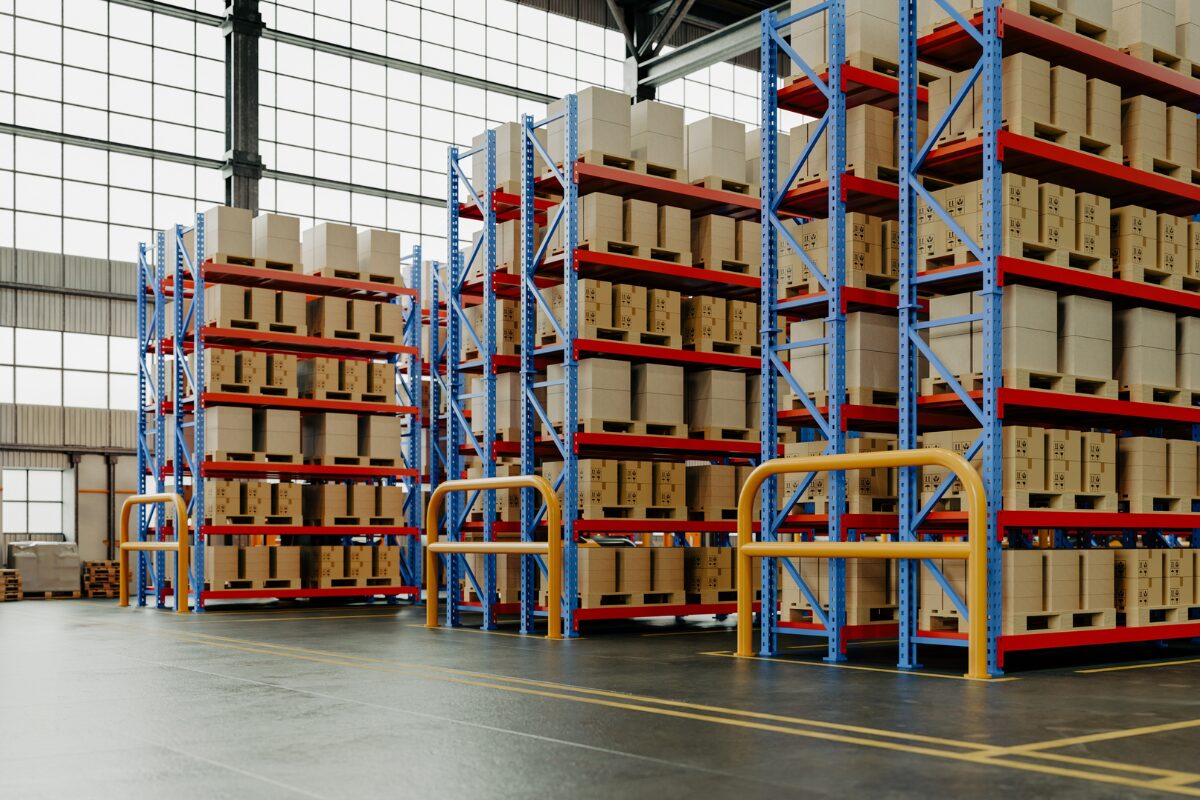
In high capacity industrial spaces, industrial steel frames operate under constant, heavy mechanical loads. For facility managers, protecting this core structural footprint is not just a regulatory checklist task, it is a primary operational objective. Drawing on decades of lived experience in facility engineering, the Elbowroom team outlines the technical mechanics behind premium structural safety configurations.
A single warehouse vehicle collision has the potential to trigger localised deformation, structural failure, or an expensive stock loss event. Implementing robust pallet rack protection systems safeguards your industrial hardware, maintains compliance with Australian Standards, and ensures uninterrupted operational continuity.
The Structural Vulnerability of Industrial Frame Uprights
Industrial steel frames are engineered specifically to maximise vertical storage density while carrying heavy downward loads. While these profiles handle massive vertical forces with ease, they remain highly susceptible to horizontal impacts at ground level. A low speed forklift collision can twist or dent an unprotected upright, permanently compromising the structural load capacity of the entire bay.
For operations looking to secure the best protection for pallet racking assets, structural reinforcement must be focused precisely at these high risk floor interaction zones. Installing heavy duty steel barriers decouples the racking frame from physical impact forces, ensuring that accidental machinery contact is absorbed entirely by the protective perimeter rather than the structural frame. Understanding the engineering limits of your setup is critical, which is why operators should review the core fundamentals found in our warehouse guide pallet racking parameters.
Heavy Duty Floor Protection Elements
Upright Post Protectors and Rack Guards
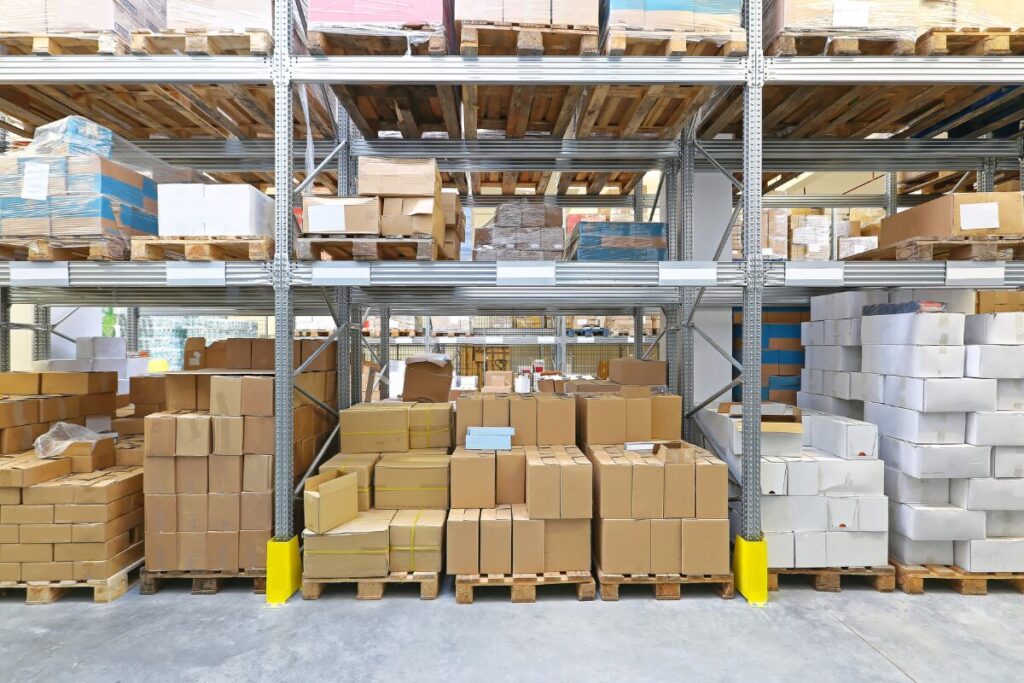
Floor mounted upright shields stand as the foundational line of defence across active picking lanes. These heavy gauge steel or polymer rack guards are anchored directly into the concrete floor slab immediately in front of the frame columns. By isolating the upright from direct machinery contact, they protect the lowest portions of the frame where structural damage is most dangerous.
High quality guard profiles feature deflecting geometries that redirect moving impact energy away from the column. In high turnover picking spaces, combining steel floor guards with energy absorbing polymer column wraps provides double layer protection, shielding columns from corner impact risks and low clearance pallet movements. To see the specific layout of these floor elements, facilities can view our dedicated page on pallet rack guards and guides.
End of Row Warehouse Safety Barriers
The ends of selective racking configurations face continuous exposure to traffic as heavy forklifts turn into narrow aisles. Without adequate shielding, these perimeter columns are highly vulnerable to corner impacts. Heavy tubular steel warehouse safety barriers create a robust physical wall along the exposed ends of single or double racks.
These floor anchored barrier rails absorb substantial dynamic forces from heavy reach trucks and forklifts. Strategically placing highly visible safety rails at turning zones allows operators to safely manoeuvre machinery through tight layout footprints without risking structural damage to the racking frames. For broader structural perimeters, facility managers often implement robust pedestrian barriers and warehouse safety equipment designs to protect both assets and personnel walkways.
Essential Racking Safety Accessories for Risk Mitigation
Comprehensive warehouse protection extends far beyond basic floor level guards. Facility managers must look upward to manage hazards associated with high level stock placement, falling items, and incorrect pallet loading.
Integrating targeted racking safety accessories directly into your configuration mitigates everyday operational risks:
- Rear Mesh Safety Panels: Heavy wire mesh screens fixed to the back of single rack rows prevent inventory from accidentally falling into active walkways or adjacent work zones.
- Pallet Support Bars: Heavy duty steel support crossbars sit beneath non standard or damaged pallets, distributing heavy load weights evenly across structural beam paths.
- Aisle Clearance Mesh Walls: Protective barriers installed around picking tunnels separate high speed machinery lanes from manual warehouse picking areas.
Deploying an integrated array of safety components ensures comprehensive compliance with AS4084 warehouse safety standards, providing predictable safety outcomes across your entire logistical space. Managing these components correctly is detailed inside our pallet racking safety essentials inspection and compliance guide resource.
Engineered Layouts and Structural Protection Systems
Every industrial logistics hub presents unique traffic patterns, machinery choices, and inventory load profiles. Off the shelf security products often fail when deployed without a proper understanding of facility specific traffic workflows.
A reliable pallet rack protection configuration relies on careful site mapping. Designing a safe facility layout means evaluating minimum machinery turning paths, installing highly visible safety signs, and setting clear protective perimeters around specialised automated storage lines or structural building support columns. If your facility utilises complex layouts, ensure you check our guide on drive in pallet racking suitability metrics to maintain layout integrity.
Maintaining Long Term Integrity Through Routine Inspections
Safety hardware functions as a sacrificial system designed to take heavy impacts so your inventory and building structure do not have to. Over time, recurring impacts weaken anchor bolts and deform steel guard plates, gradually reducing their energy absorption capacity.
Implementing a strict, routine inspection workflow is essential to track structural changes, check anchor integrity, and replace compromised components before a major structural failure occurs. To establish a compliant maintenance calendar, facilities should adopt the top maintenance practices for pallet racking system protocols. Regular evaluations tell you precisely when to upgrade your pallet racking system elements.
Partner with Elbowroom for Professional Workplace Safety Solutions
Optimising warehouse safety requires practical field experience and an absolute commitment to structural integrity. The team at Elbowroom designs, supplies, and installs premium, compliant protection systems tailored to your specific operational environment. Discover our complete architectural overview by exploring our full range of safety and protection solutions engineering.
Contact our experienced storage engineering specialists today to organise a thorough safety assessment of your warehouse space, upgrade your floor barriers, or source high performance structural protection components.
Frequently Asked Questions: Understanding Pallet Rack Protection
- How do floor guards protect the concrete slab floor from damage? Engineered floor barriers use heavy duty anchor systems that transfer kinetic forces into the concrete slab floor rather than letting that energy travel into the storage system frames. This design preserves the structural integrity of your columns.
- What are the risk factors of leaving upright posts unprotected? An unprotected column remains highly susceptible to horizontal impacts at ground level. A single low speed forklift collision can permanently compromise the structural load capacity of the entire bay, necessitating immediate engineering intervention.
- Are polymer column guards as effective as heavy steel barriers? Polymer guards excel at absorbing minor, everyday scrapes and low clearance pallet impacts directly on the column. For heavy machinery turning zones and high speed lanes, heavy steel perimeter barriers are required to provide complete structural isolation.
- How often should safety accessories and barriers be inspected? In accordance with Australian Standards, structural elements and protective guards should undergo professional audits at least once every twelve months, supported by regular internal weekly visual inspections. Check our racking inspections audits safety checks portal to book an assessment.



